

Mainframe-to-studio periodization, creative tools and artistic communities; recollections and market judgments remain attributed.
 View full image ↗
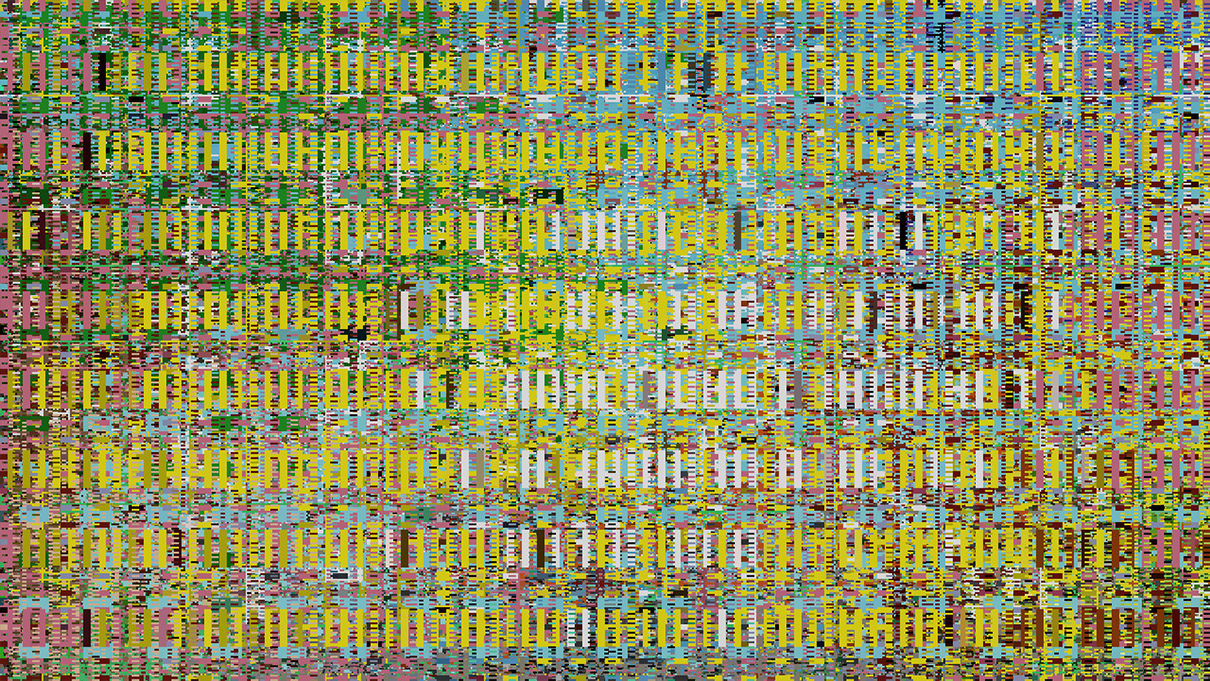
Casey Reas, Pfft!, 2014. Original illustration in Le Random’s second interview installment.
Artwork: Casey Reas; original credit: courtesy of the artist. Source: Le Random.
Source · Casey Reas on the History of Generative Art - Part 2 ↗About this reference
Peter Bauman’s interview with Casey Reas offers an artist’s retrospective account of technology and conditions of practice. Its mainframe-to-studio periodization shifts attention from machine capability to who could use computers, where artists worked and which communities sustained exchange.
Research use
Read it alongside records of tools, teaching and studios to study the social infrastructure of creative coding. Statements about the artist’s own practice can serve as testimony; broader historical accounts require corroboration from other archives.
Versions and evidence limits
Retrospective periodization and market judgments are attributed interpretations, not a consensus among artists or independent verification of every date. Citations should distinguish the interviewer’s framing from the interviewee’s statements.
Further investigation
Follow the interview into Processing’s educational and community records and the production, technical collaboration and screening histories of specific works by Reas.
Original source and reading scope
Read the original in English ↗Interview body; historical generalizations and market judgments retain their status as attributed testimony.
This page is bilingual research commentary written by the archive, not a full translation of the source. It uses AI-assisted writing and translation and awaits independent human review. Reading a source does not independently verify every historical claim.
Citation and method
Cite the original for its author’s arguments. For this page’s research framing and commentary, cite the archive and include your access date.
Peter Bauman. Casey Reas on the History of Generative Art - Part 2. Le Random. 2023-07-05. https://www.lerandom.art/editorial/casey-reas-on-the-history-of-generative-art-part-2
ANTI-AI ARCHIVE. Casey Reas on the History of Generative Art - Part 2. 2026-10-02. https://salondesrefuses.cn/en/topics/ai-art/references/src-0767
Methodology and editorial notes ↗