

The archive provides Chinese and English research texts. Translations may be AI-assisted and may not yet have received independent human review. Consult the original-language sources alongside them.
The Beijing Internet Court held online hearings in four illustrators’ cases against developers and operators of AI drawing software. Plaintiffs alleged unauthorised training and generation services infringed their rights and sought cessation and removal of related learning results. Developers and operators raised defences including fair use and absence of substantial similarity; the platform denied supplying works or participating in the disputed conduct.
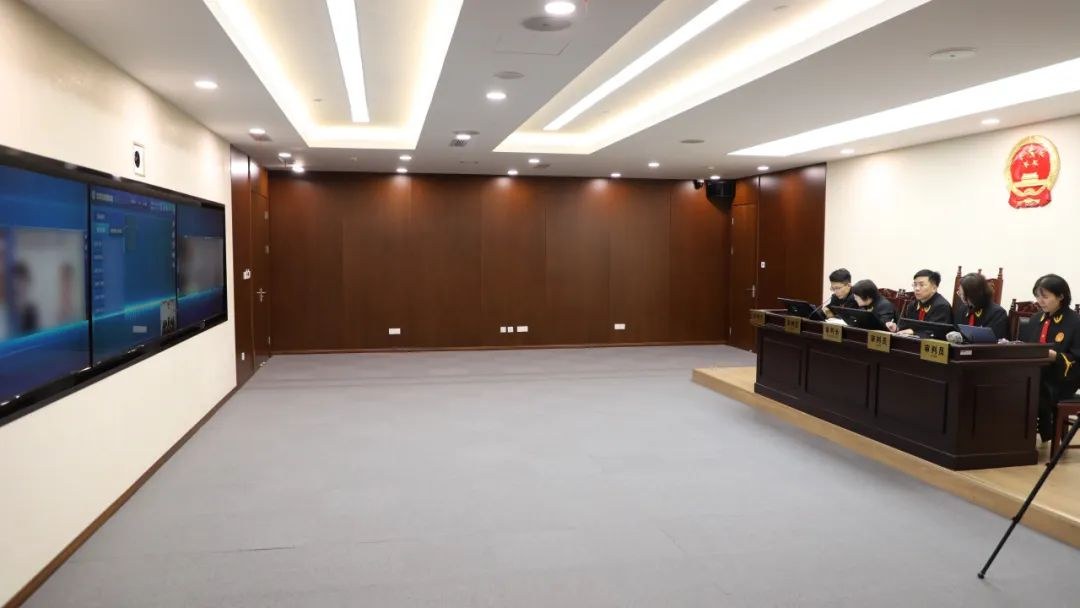 View full image ↗
Image published with “Reported first Chinese copyright-infringement case concerning AI drawing-model training reaches hearing”. Its creation date is not inferred from the event date in this record.
Image source: Beijing Internet Court WeChat account / Republication by The Paper; rights remain with the original rights holders.
Source · Reported first Chinese copyright-infringement case concerning AI drawing-model training reaches hearing ↗What changed
The Beijing Internet Court held online hearings in four illustrators’ cases against developers and operators of AI drawing software. Plaintiffs alleged unauthorised training and generation services infringed their rights and sought cessation and removal of related learning results. Developers and operators raised defences including fair use and absence of substantial similarity; the platform denied supplying works or participating in the disputed conduct.
“Implemented” refers only to the hearings taking place, not a finding of infringement. The court account is anonymized; the Trik AI name is matched through Southern Metropolis Daily reporting. Four cases are treated as related research files, not a verified consolidated class action. Pending status reported in 2024 is not presented as current status in 2026.
Editorial research question
Editorial interpretation: illustrators bring training, generation services, and labour effects of style substitution before courts; defendants’ fair-use, substantial-similarity, and participation defences are retained.
This is an editorial interpretation or question, separate from factual statements.
Evidence & sources
The Beijing Internet Court held online hearings in four illustrators’ cases against developers and operators of AI drawing software. Plaintiffs alleged unauthorised training and generation services infringed their rights and sought cessation and removal of related learning results. Developers and operators raised defences including fair use and absence of substantial similarity; the platform denied supplying works or participating in the disputed conduct.
SRC-0214Lines 12–31: source attribution, online hearings, four cases, claims and defences, and pending status.
Material relevant to this case; see the locator for the precise scope read.
SRC-0215Lines 6–50 and 68: Trik AI, defendants’ names, procedural dates, complaint reporting, and illustrator interviews.
Beijing Internet Court WeChat account / Republication by The Paper · ZH · 2024-06-20
Southern Metropolis Daily Privacy Protection Team / Sohu · ZH · 2024-06-21
Case
Related documents
DOC-0202Reported first Chinese copyright-infringement case concerning AI drawing-model training reaches hearingDOC-0203Is training a large model on illustrators’ works without permission lawful? Reported first national case reaches hearingCite this record
ANTI-AI ARCHIVE. “Beijing Internet Court hears four illustrators’ cases against AI drawing software online.” evt-0214. Include this page’s URL and your access date when citing.