

The archive provides Chinese and English research texts. Translations may be AI-assisted and may not yet have received independent human review. Consult the original-language sources alongside them.
In an ETH interview, Figalli warns about bypassed research training and reading burdens while accepting uses such as generating practice exercises.
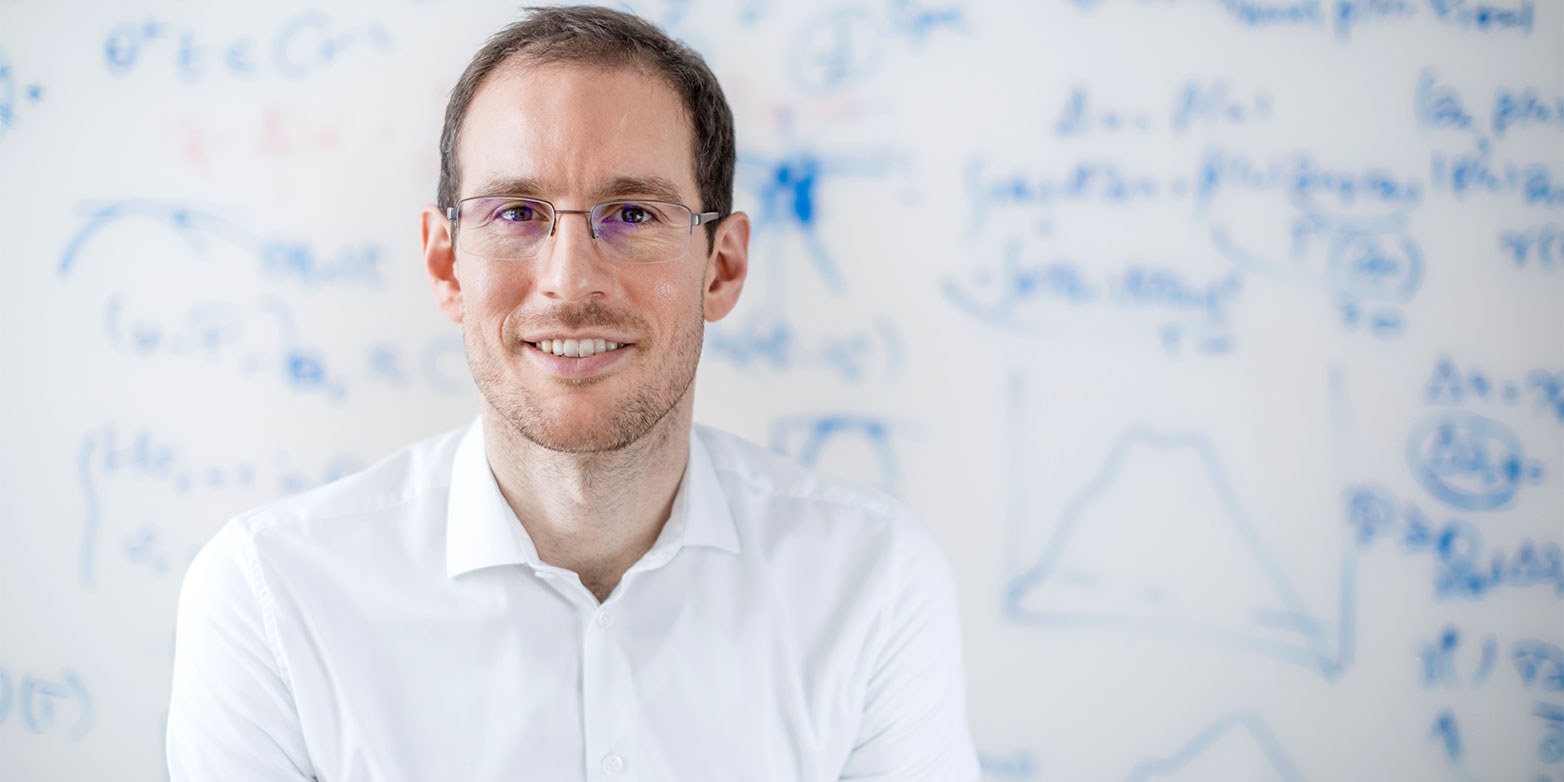 View full image ↗
Image published with ““No AI will replace mathematicians, but I am concerned about education””. Its creation date is not inferred from the event date in this record.
Image source: ETH Zurich; rights remain with the original rights holders.
Source · “No AI will replace mathematicians, but I am concerned about education” ↗What changed
In an ETH interview, Figalli warns about bypassed research training and reading burdens while accepting uses such as generating practice exercises.
Personal interview, not an ETH ban. Oral examinations are a suggestion, not an implemented policy. Claims about mathematical results and technical capabilities remain attributed and independently unverified.
Editorial research question
Editorial comparison: the value of training and understanding offers a link to debates in art education.
This is an editorial interpretation or question, separate from factual statements.
Evidence & sources
In an ETH interview, Figalli warns about bypassed research training and reading burdens while accepting uses such as generating practice exercises.
SRC-0394Interview lines 55–76.
ETH Zurich · EN · 2026-09-14
Case
Related documents
DOC-0382“No AI will replace mathematicians, but I am concerned about education”Cite this record
ANTI-AI ARCHIVE. “Figalli on AI, research training and understanding.” evt-0329. Include this page’s URL and your access date when citing.