
Editor’s note (25 September 2026): this text is preserved as a historical commentary from 2023, reflecting the author’s judgement at that time; inclusion does not imply that these remain the author’s views today. Its arguments, quotations and captions have not been rewritten in light of later evidence, including legal, technical and historical claims that await individual verification. The 2022 protests and 2026 platform changes are cross-referenced separately for comparison.
Disco and AI
Is the movement against AI a new Luddism?
What you are hearing now is Donna Summer’s disco track “I Feel Love”, released in 1977, the world’s first electronic dance track. Although I have been listening to a disco playlist while writing this article, you can finish listening before reading on. This column, “A Future History of Art”, gives me an Italo Calvino-like privilege: to break the fourth wall and speak to the audience whenever I like.
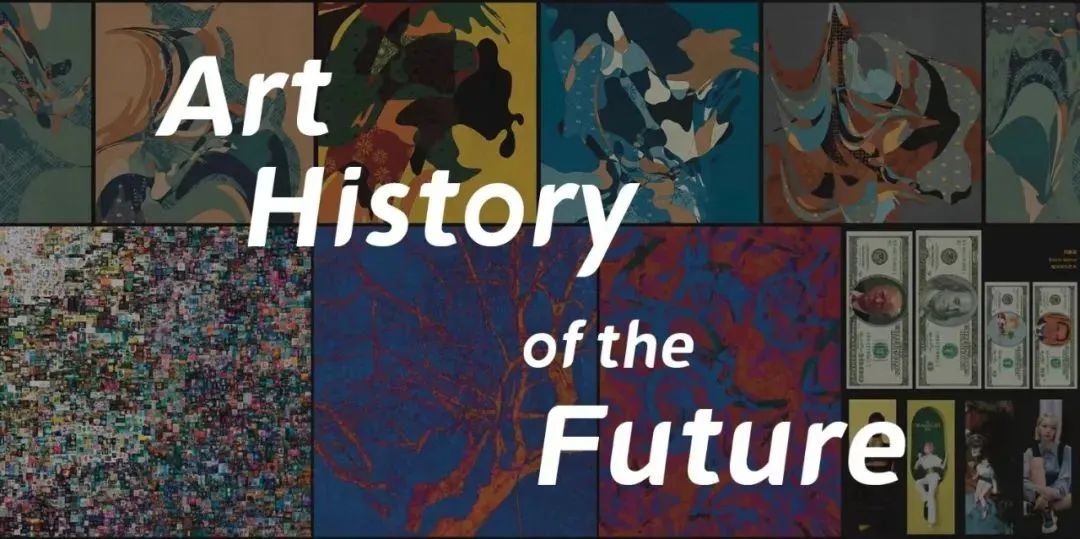
Two years after this song’s release, disco suffered a “catastrophe”: the Disco Sucks movement. Many things in this world have faced catastrophe — steam engines, spinning machines, even photography. By comparison, we have been extraordinarily tolerant of AI, merely organising online campaigns and fighting a few lawsuits.
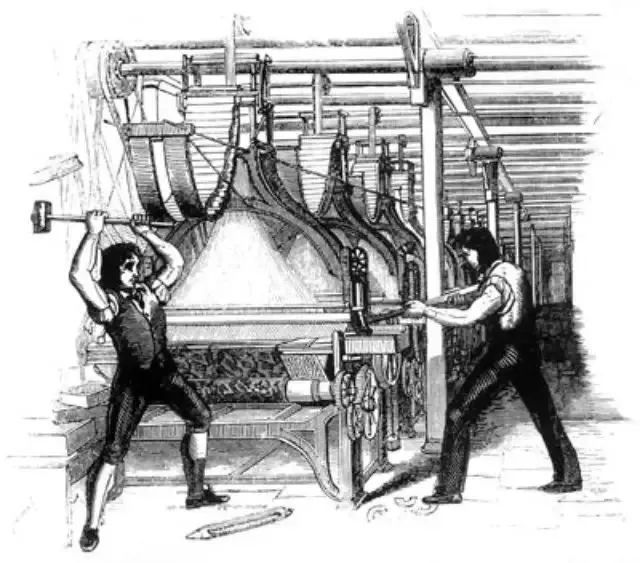
I do not consider the ArtStation movement to be neo-Luddism or conservatism. As someone working in art and artificial intelligence, and as a former art student, I would like to discuss the movement from three perspectives: art history, the history of technology and philosophy.
The ArtStation movement
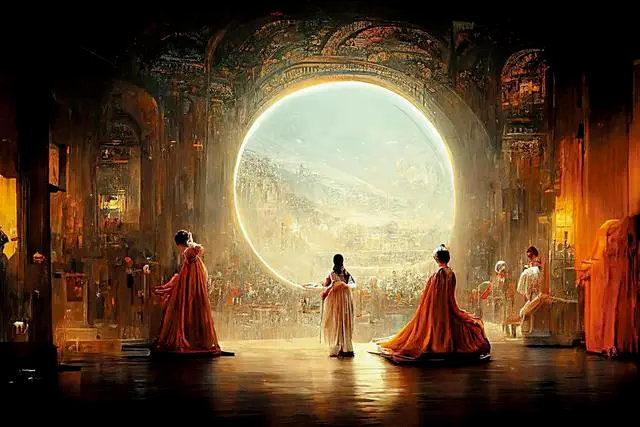
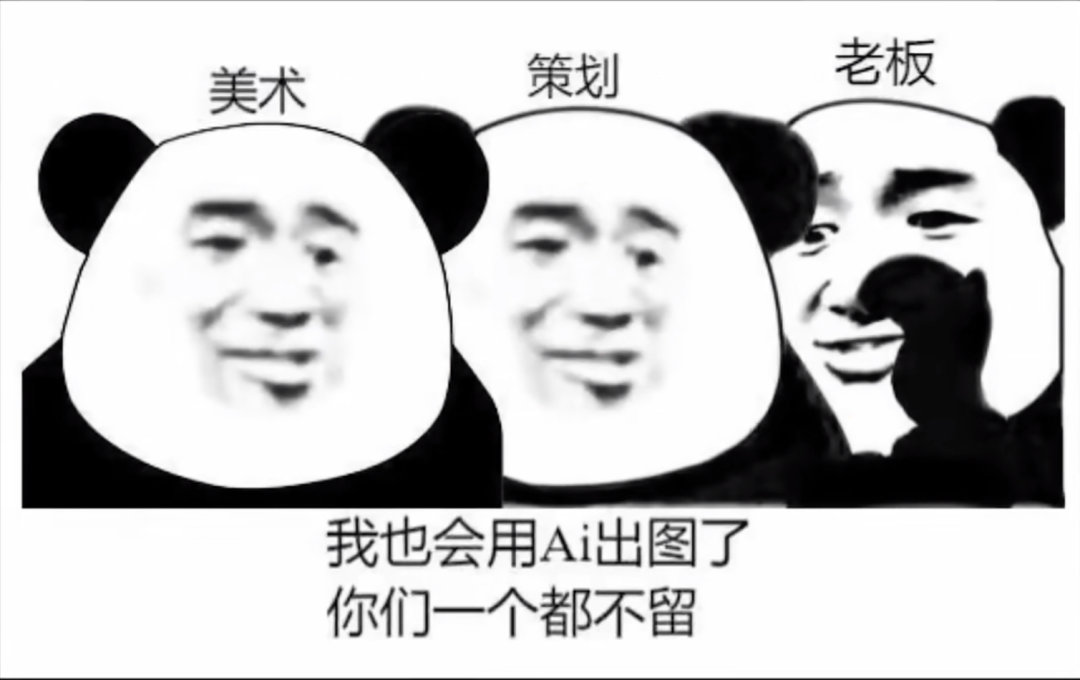
In September 2022, Jason M. Allen’s Théâtre D’opéra Spatial won the digital-art gold award at the Colorado State Fair in the United States. Jason then explained on Twitter that he owned a games company and had made the image using AI together with his own modifications. This immediately prompted widespread online discussion, mostly about whether an AI painting could count as an artist’s work.
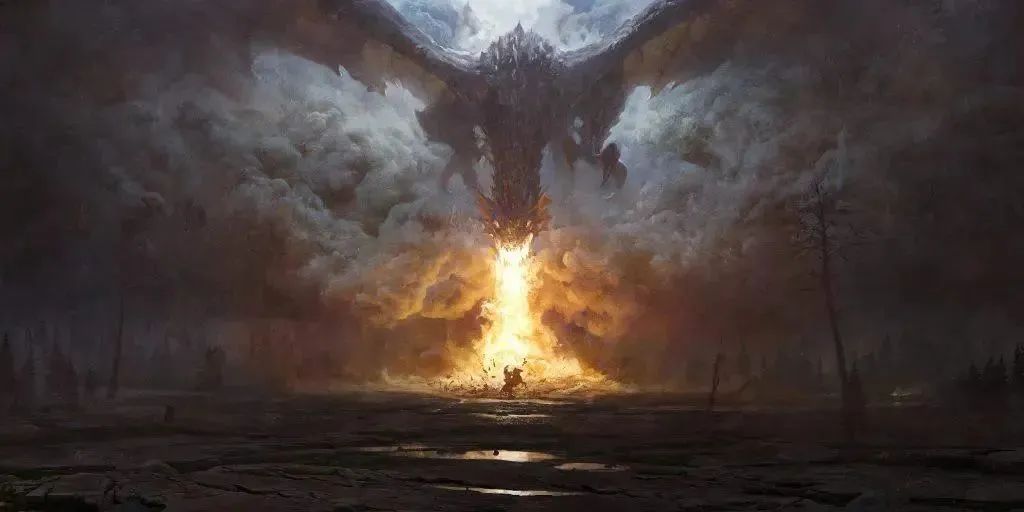
Afterwards, artists began saying that their work had been unlawfully used to train AI models. Even leading CG artists, such as Greg Rutkowski, believed that Disco Diffusion had appropriated their work for its training dataset, to the point that Rutkowski’s name became a popular prompt in diffusion models.
In early December, Bulgarian artist Alexander Nanitchkov posted an artwork protesting against AI on ArtStation. ArtStation promptly deleted it and muted his account.
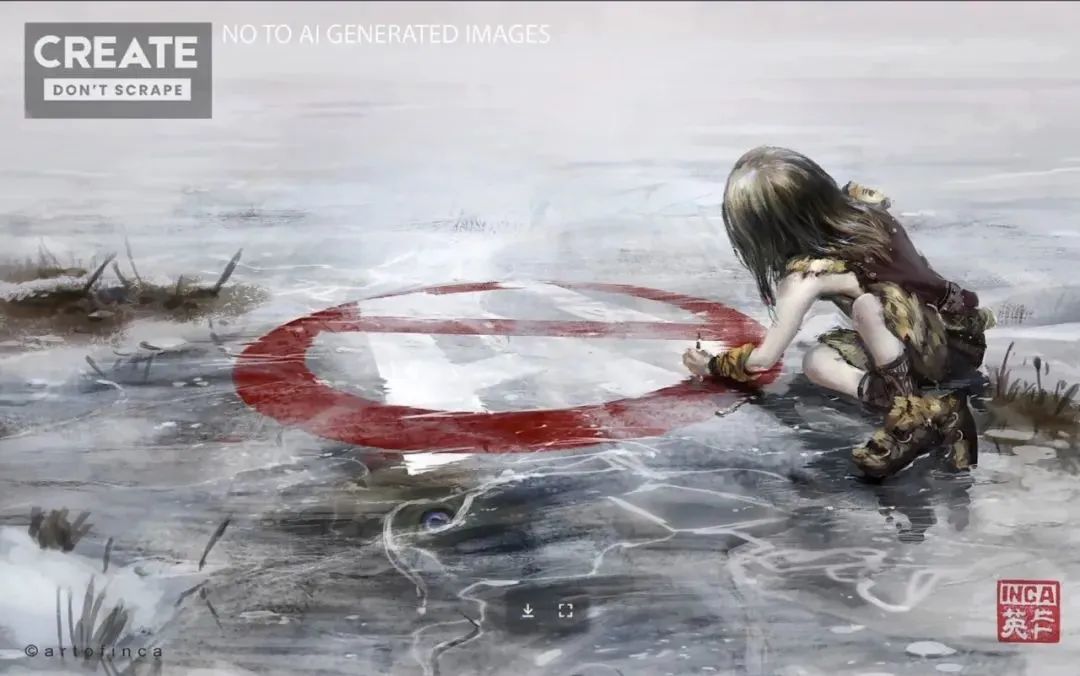
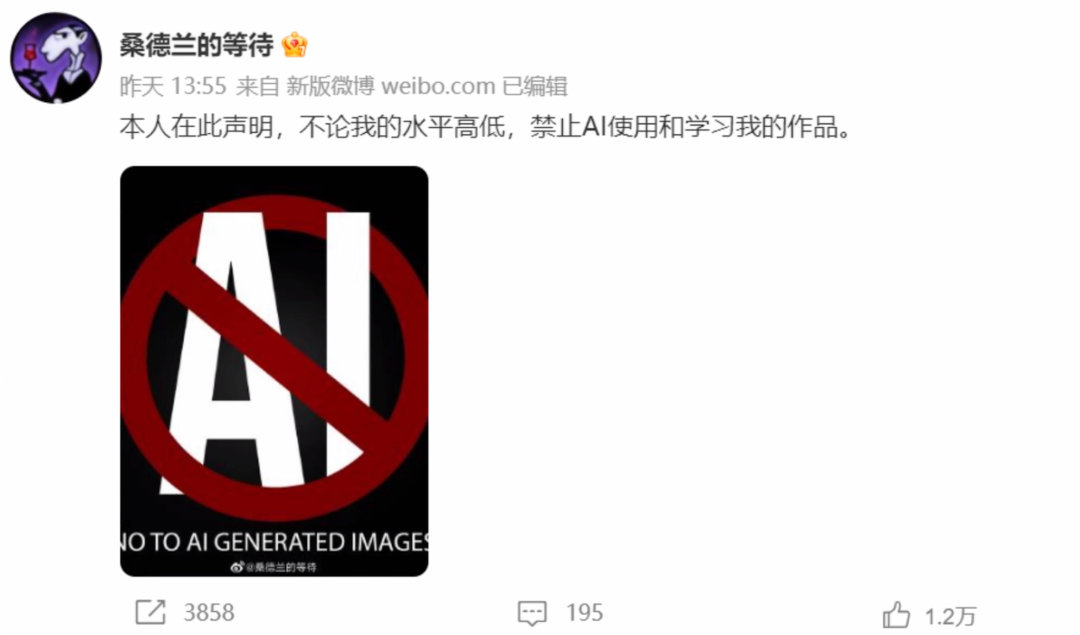
On 14 December, artists spontaneously followed Alexander, posting many anti-AI images bearing their demand: “NO TO AI GENERATED IMAGES”. This opened the first wave of the movement against AI, followed by second and third waves. The conflict spread to other websites. Both the well-known 3D software Blender and painting software Krita announced support for these CG artists’ position. Artists on social media around the world began declaring their opposition to AI art, and the movement increasingly took on a global character.
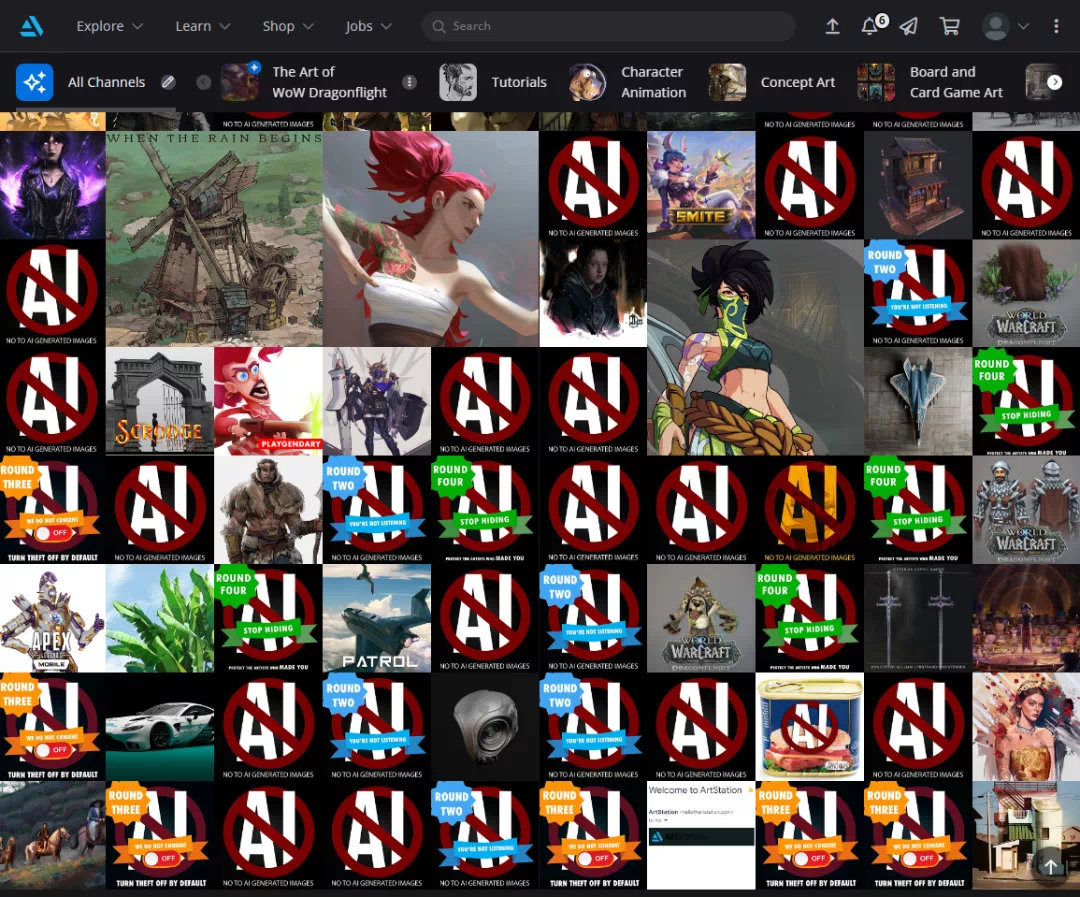
Commentators soon compared the anti-AI movement on ArtStation to nineteenth-century workers’ movements and called it neo-Luddism: lacking unified demands or theoretical guidance, simply uploading anti-AI images in a crude, direct way. Some artists naively believed that they would avoid infringement if they stopped uploading their work, or even that posting anti-AI images would soon deprive AI of good resources and make training impossible.
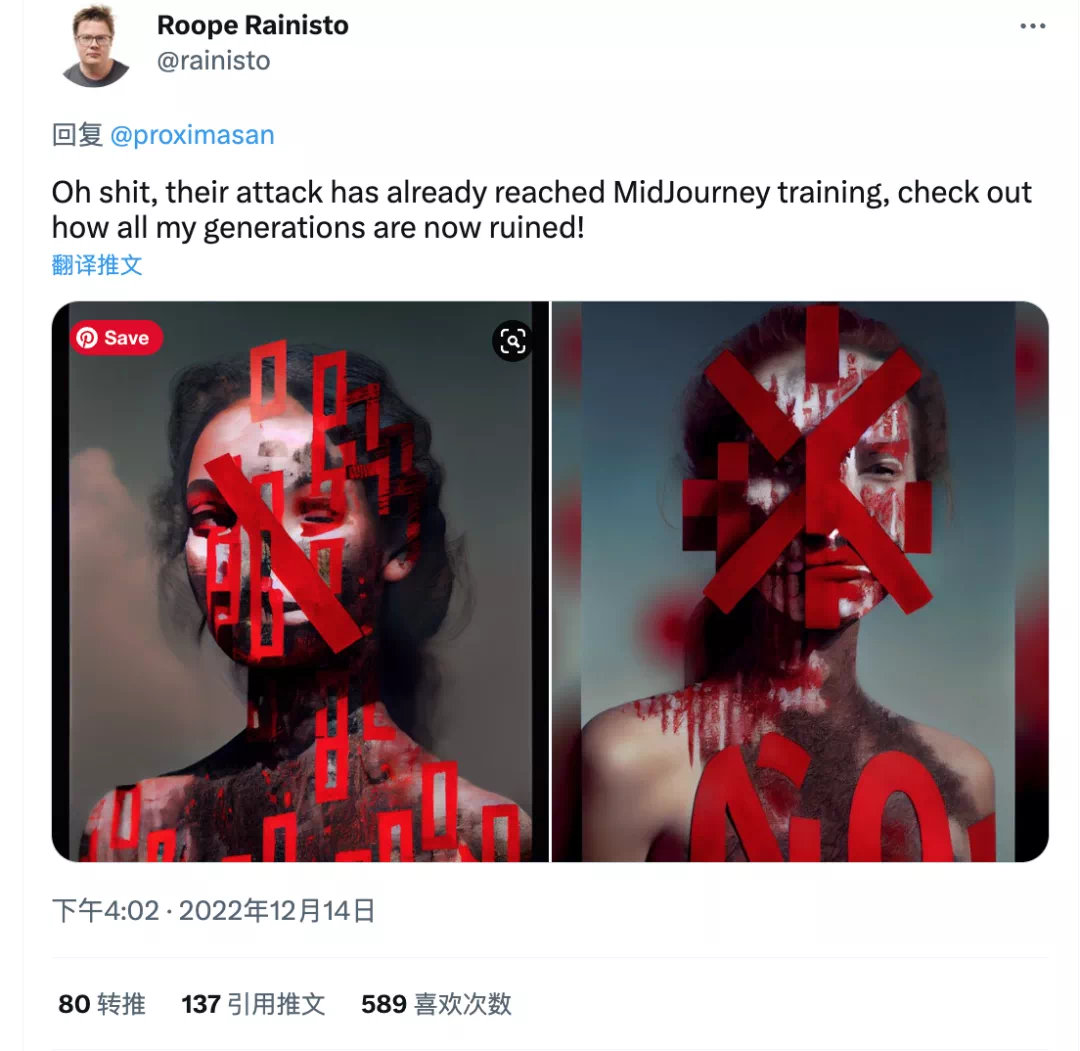
Finnish designer Roope Rainisto made two posters mocking these artists’ naïve ideas. In them, people’s bodies are covered in red strips resembling propaganda slogans, with text saying that everyone’s attacks have already disrupted Midjourney’s training programme and ruined its output. This humorous satire suggests that all the protests are futile. Human art history began in the Stone Age, and contemporary artists are as numerous as the stars. Besides, adding a few lines of code would let a programme automatically recognise those anti-AI images.
Also in autumn 2022, American writer Kristina Kashtanova applied to the US Copyright Office (USCO) to register her original comic Zarya of the Dawn. The office followed its normal approval procedure, but subsequently revoked the copyright initially granted to Kristina. According to USCO, her initial filing had not disclosed that the book’s illustrations were made with Midjourney. It asked her to demonstrate her control over Midjourney. After the author supplied the requested information in writing, USCO issued her a new copyright registration.
USCO said it would continue to register works containing otherwise unprotected material “edited, modified, or otherwise revised by a human author”. To make matters clearer in future, a more specific standard might be needed for how much human input constitutes a “product of human authorship”. This means that if artists exercise creative control over an image-generation tool such as Midjourney, its output can be protected. The words used to guide AI, selection of materials, and arrangement of text and visual elements are also protected by copyright.
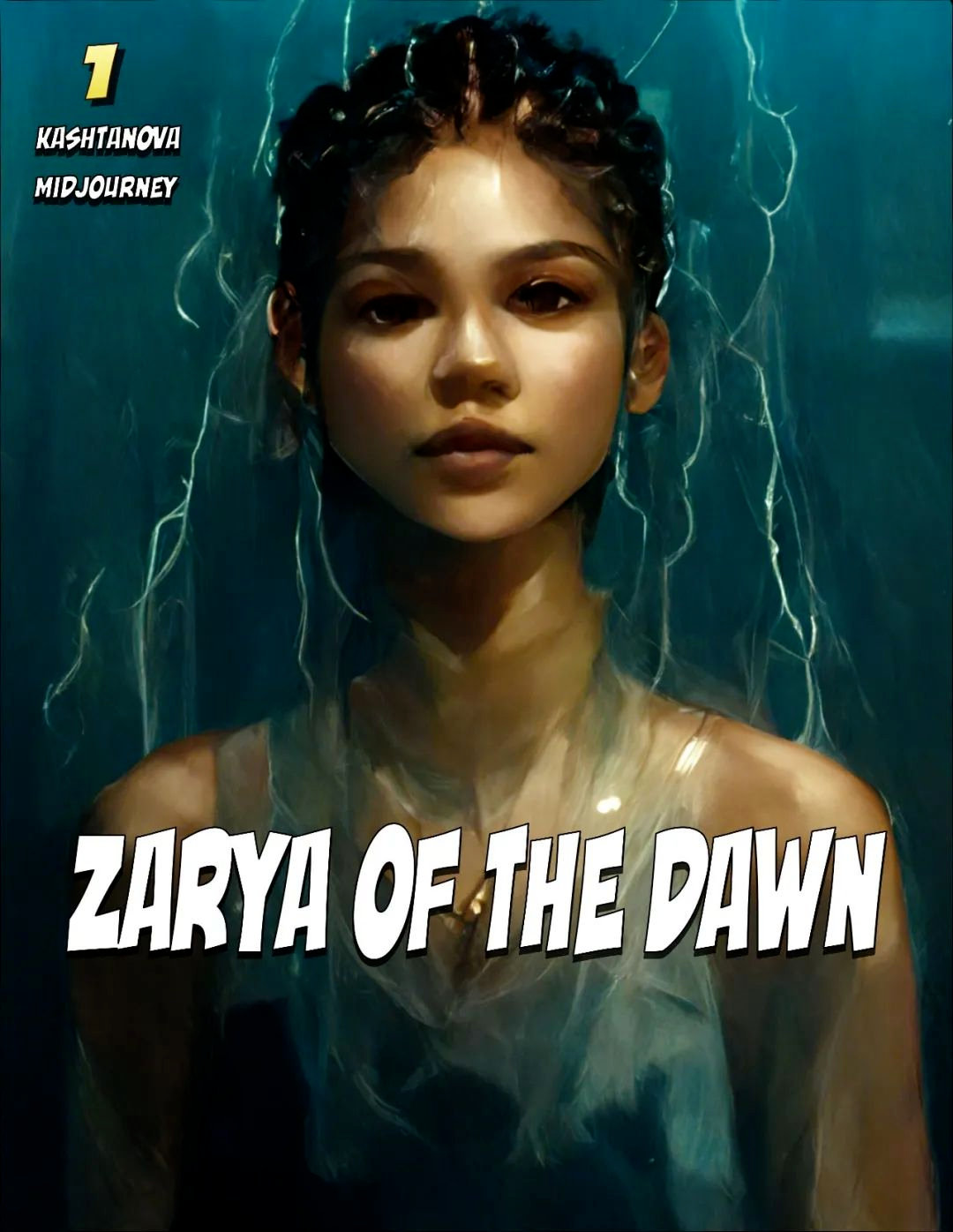
After Kristina’s AI picture book obtained copyright, Midjourney’s general counsel Max described the Copyright Office’s response as a great victory for Ms Kashtanova, Midjourney and all artists. Meanwhile, the Concept Art Association in the United States also formed voluntarily to protect concept artists’ rights. Here, “concept art” means concept design for games and film, not conceptual art. EGAIR was also established in Europe to try to protect artists’ rights.
The artists’ demands can be summarised as follows:
1. They want to prevent AI from learning from their work. This is essentially impossible. Once works are placed on public media platforms, they are freely available to learn from, as determined by the internet’s spirit of open sharing. Provided the learner does not commercially use the works, it is legal.
2. They want to prevent AI from learning the artistic style on which their livelihood depends. This is impossible: copyright law protects a work itself, not a particular style.
3. They hope not to be replaced by an automated machine. This is entirely possible. Many of these artists are leaders in their fields and possess much more than style and technique: experience, ideas, efficiency, high quality and other irreplaceable qualities.
4. They hope their industry will not be replaced by automation. This is possible. If an industry attracts cutting-edge technology, it must have a very important place in society or problems that urgently need solving. Even if AI becomes standard in CG, substantial human labour will still be needed to control image quality and review images against commercial requirements. Experienced artists are best suited to this work.
5. They hope CG can remain hand-drawn, allowing artists to retain the love that first drew them to painting and work in their preferred form. This is possible. Ink-wash animation, paper-cut animation and sand painting still exist today. Hand drawing will never be replaced; over the long term, it will gradually cease to be the mainstream.
6. Young artists and students hope that what they are studying will not become obsolete. There is no problem here at all. Even today, introductory art training has not disappeared. It should simply take forms better suited to students’ own expression and exploration, without requiring them to learn a particular commercial style.
The recursion of art history
Before discussing art history, let me briefly explain Luddism and neo-Luddism. The term Luddism comes from an early nineteenth-century workers’ movement. Oppressed by factory owners and suffering unemployment, workers joined together, destroyed factory machinery and attacked some owners. Later scholars called people opposed to automation and new technology “Luddites”. Yet the Luddite movement undeniably expressed an early awakening of workers’ awareness of their rights. Neo-Luddism, by contrast, refers to a cultural current emerging in the second half of the twentieth century, opposing various modern technologies on the grounds that they pollute human life and nature and alienate human labour and living conditions.
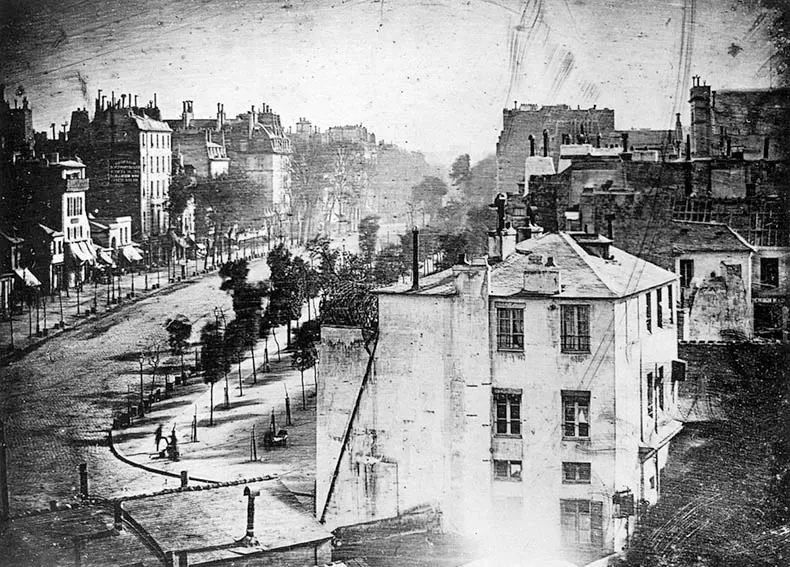
In the early nineteenth century, when the Luddite movement erupted, Western art remained the stage of neoclassicism and Romanticism. Aristocrats and the bourgeoisie were captivated by the extraordinary skill of Jean Auguste Dominique Ingres and Francisco José de Goya y Lucientes. In 1836, French painter Louis Daguerre invented photography — the daguerreotype. The French government bought its patent and announced in 1839 that it would relinquish the patent, calling photography “a free gift to the whole world”.
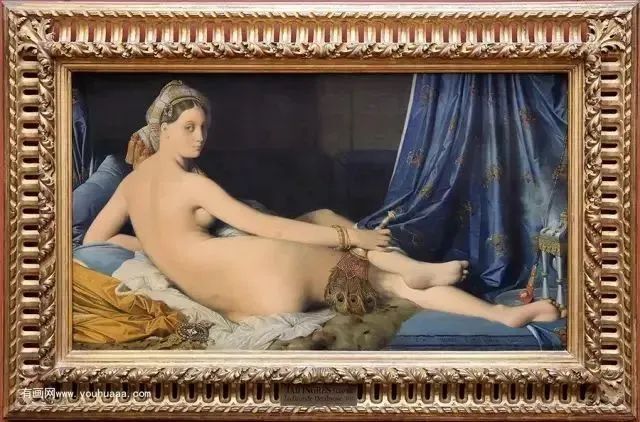
Gu Zheng’s A History of World Photography records that Ingres and other masters jointly petitioned the French Academy of Sciences to prohibit the spread of photography. Yet Ingres also marvelled: “Photography is truly ingenious. I would very much like to achieve such lifelikeness, although perhaps no painter can do so.”
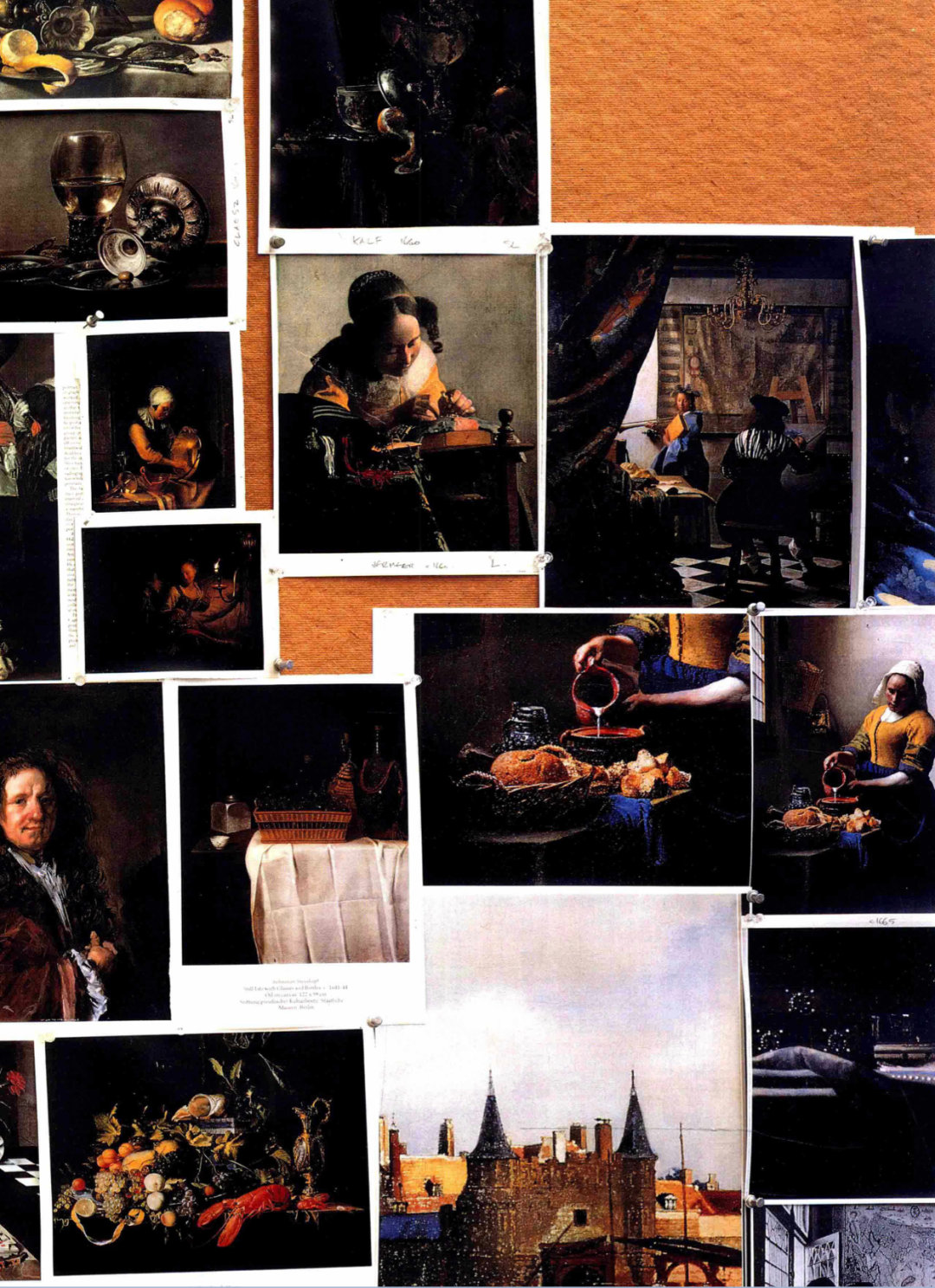
In Secret Knowledge: Rediscovering the Lost Techniques of the Old Masters, artist David Hockney found that many old masters used lenses to improve the speed and precision of painting, including Ingres. Hockney reconstructed their simple optical devices and used them to produce similar pictures. As early as the seventeenth century, Dutch painter Vermeer was using a camera obscura. British art historian Philip Steadman’s Vermeer’s Camera: Uncovering the Truth behind the Masterpieces examines Vermeer’s camera-obscura technique in detail.
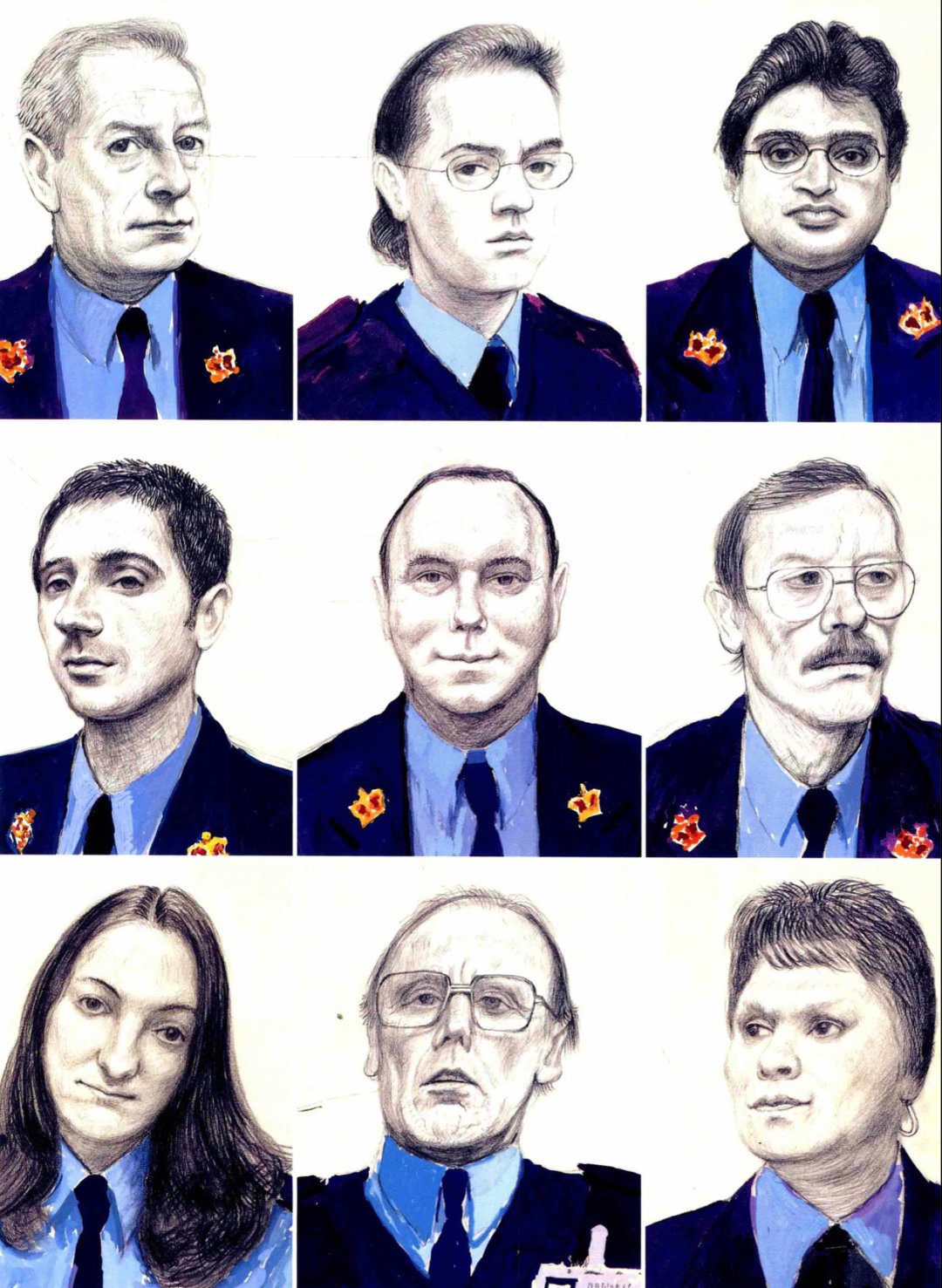
These examples show that many old masters were exceptionally adept at using technology. After photography’s invention, many artists — especially those working in portraiture and realistic landscape painting — suffered a severe shock. “A person merely presses a button, and the machine does all the work.” French designer Paul Delaroche even said: “From today, painting is dead.”
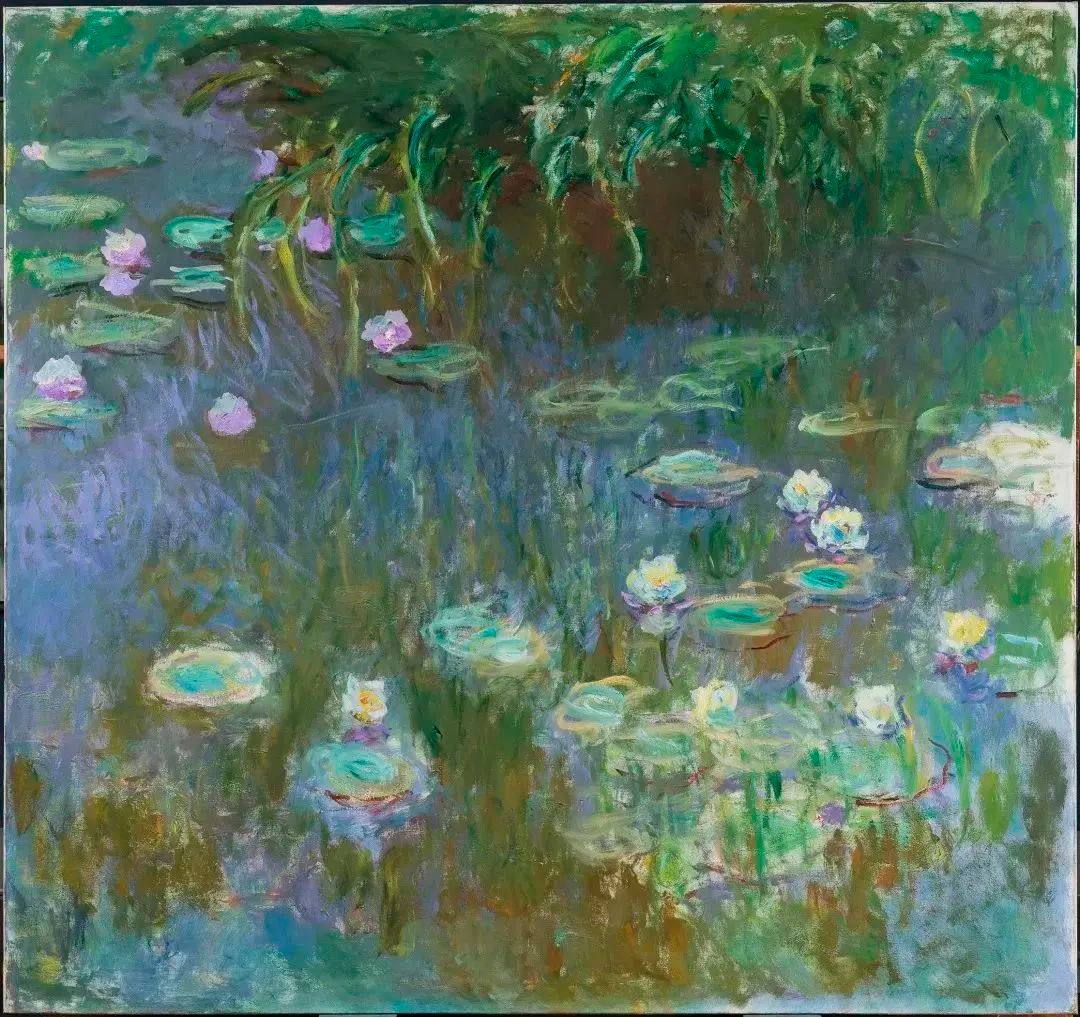
But we know what happened next. Many portrait painters became photographers, while the Impressionists led painting into another revolution. Impressionism, Neo-Impressionism, Post-Impressionism, Cubism, Fauvism, Suprematism, Dada and the other modern movements emerged in turn. Photography did not kill painting; it liberated painting from the classical paradigm. Photography itself also developed from imitating painting towards a distinctive character of its own.
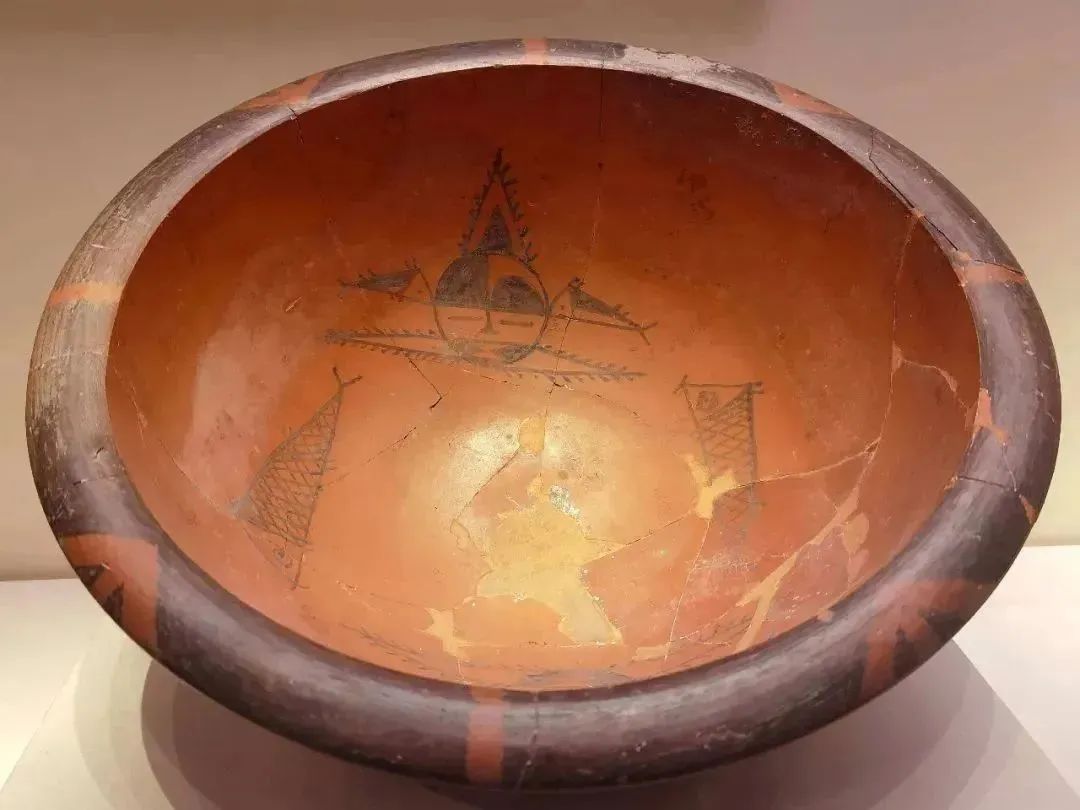
Some people make alarmist claims that once AI can make art, human artists will gradually disappear. This is needless, self-generated anxiety. Art has existed since the Stone Age and survived countless technological revolutions. It will not be shaken by AI. What AI will change are artists, artworks, art industries and other art objects (ArtObject), not art itself.
As American critic Leo Steinberg observed in “Contemporary Art and the Plight of Its Public”, whenever genuinely new and original art appears, artists are the first to condemn it, and condemn it the most loudly. No critic or angry bourgeois can rival artists in rejecting such art.

Ada and the girls who made rockets fly A brief history of AI and computers
Neither photography nor AI appeared overnight. We have mentioned Vermeer’s seventeenth-century camera obscura, while David Hockney even suspects that Renaissance painter Caravaggio used lenses. Nor did what we call AI simply emerge from “feeding it some human works”, as people say online. Its beginnings can be traced to the nineteenth century, when Ada Augusta Byron pointed out that the calculating machine could run preset programmes.
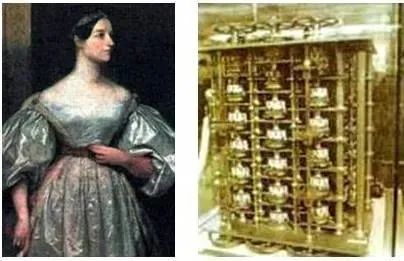
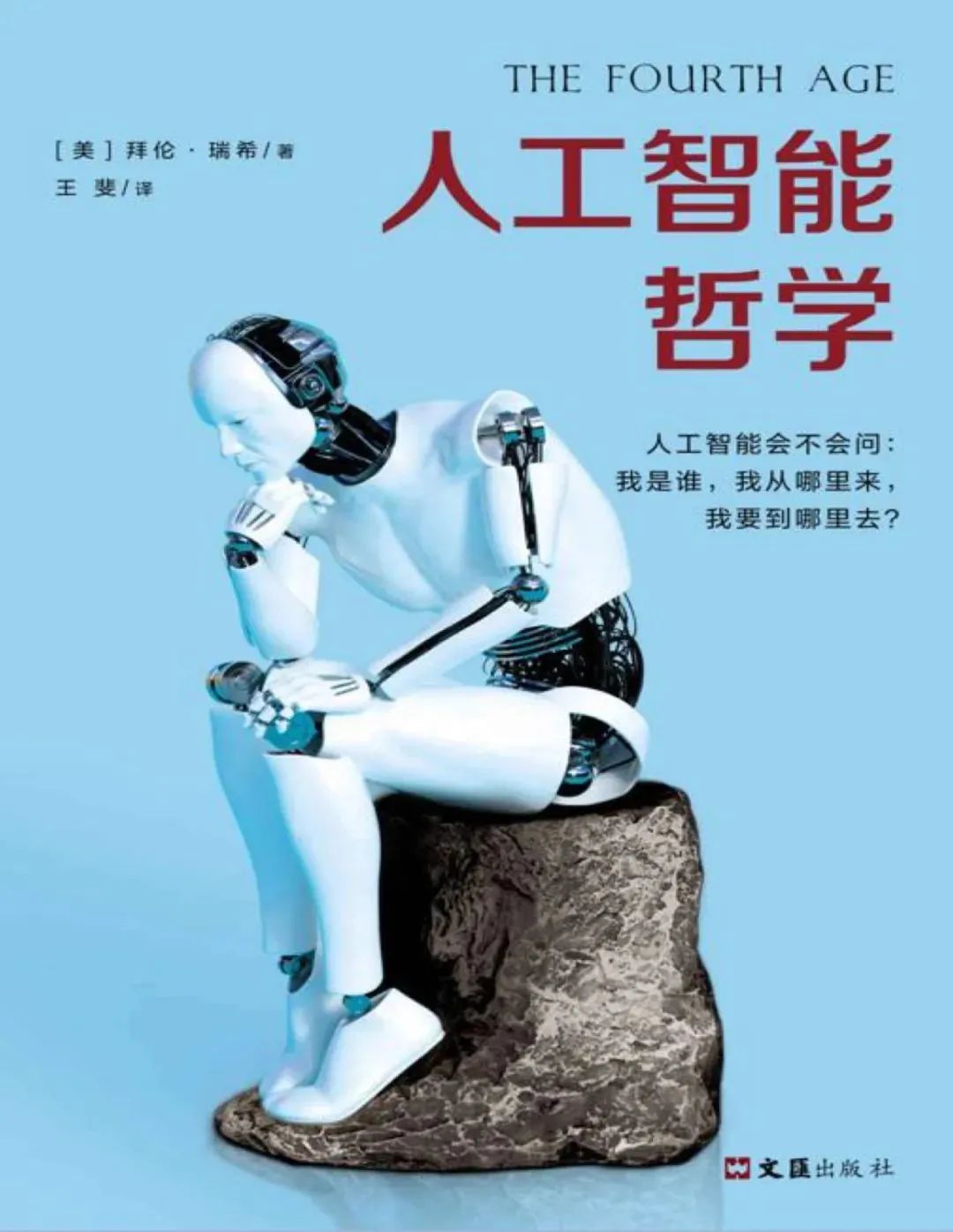
In The Philosophy of Artificial Intelligence (translated Chinese title), Byron Reese briefly outlined the development of modern computers: Babbage realised that machines could perform mathematical operations; Turing discovered they could also run programmes; von Neumann worked out how to construct computer hardware; and Shannon showed how software could do things that did not initially look like mathematical problems.
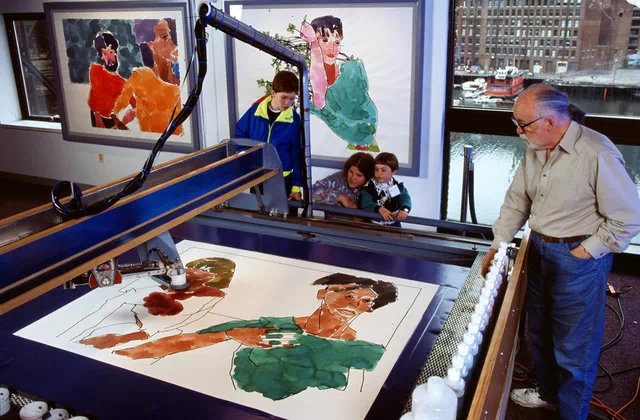
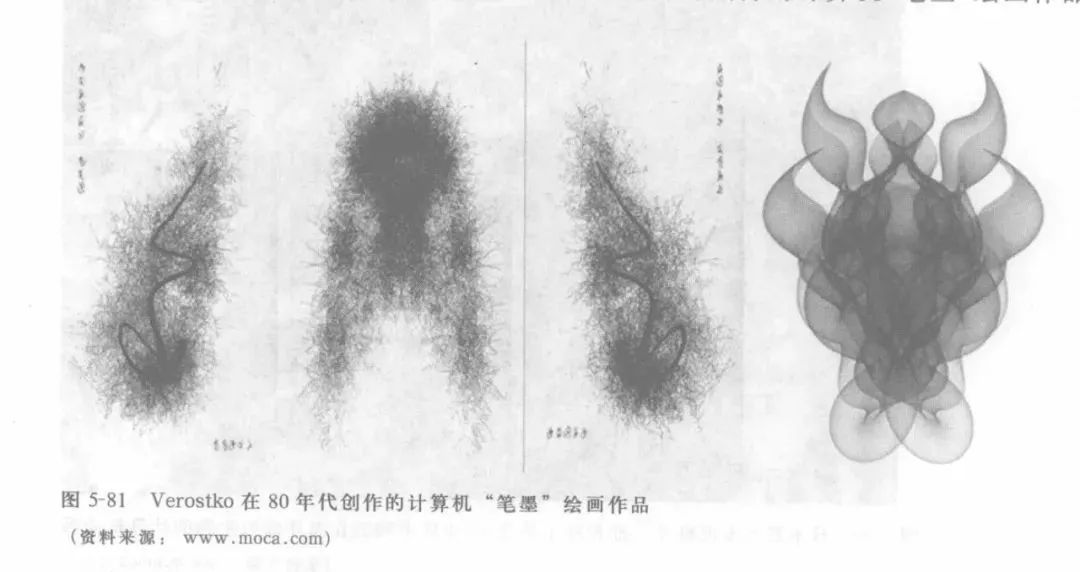
By the late 1950s, Boeing, IBM and other companies were already using the earliest CAD — computer-aided design — software. In 1952, American artist and scientist Ben F. Laposky used early computer equipment and a cathode-ray oscilloscope to create the black-and-white digital work Electronic Abstractions. In the 1970s, American painter Harold Cohen, a professor at the University of California, San Diego, began building a drawing programme called AARON and had it control a mechanical arm. Harold used code to make AARON understand his painting and imitate his style. In 1987, artist and art historian Roman Verostko designed software to control a painting brush and produced many works combining ink painting and abstraction.
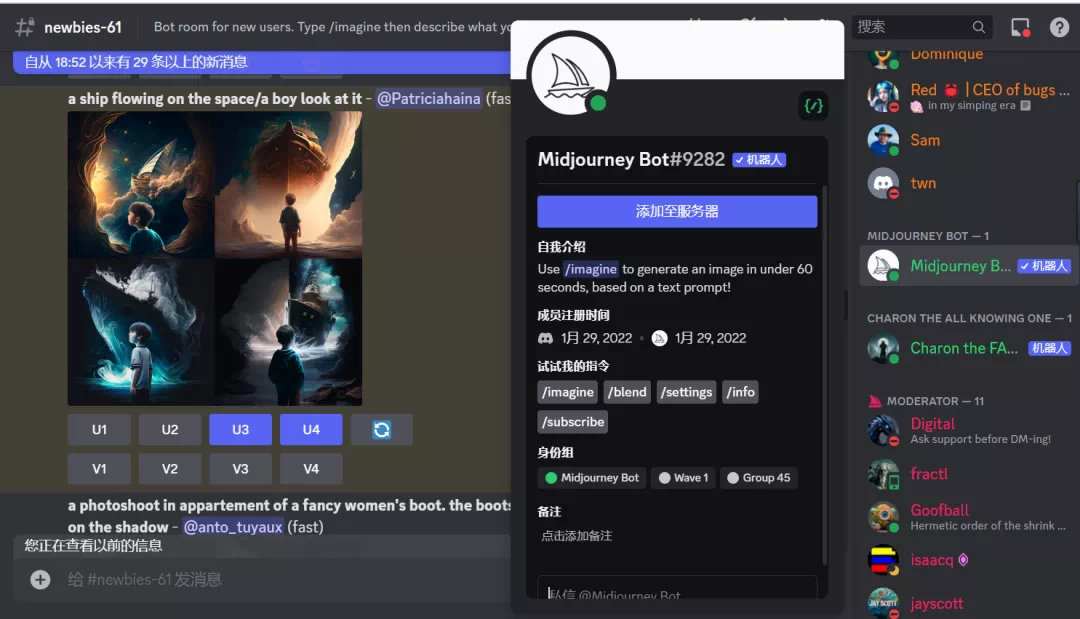
In recent years, big-data models and deep-learning algorithms have enabled the development of more and more AI drawing programmes. In the spirit of open sharing, scientists have made most models free, with only a very small number of products assisting design and production carrying a charge. Numerous NVIDIA GAN models and OpenAI’s DALL·E appeared in 2021. Surprising models arrived one after another in 2022: Disco Diffusion, DALL·E 2, Midjourney, Stable Diffusion. AI drawing software also became commercial that year, with DALL·E and Midjourney launching subscriptions. Resistance to AI also began that year.
Not every technological innovation causes riots. Nobody riots over the invention of rockets or aeroplanes, and people will not riot if Musk invents an interstellar spacecraft. In The Philosophy of Artificial Intelligence, Byron Reese argues that people riot only over technological inventions capable of replacing human labour.
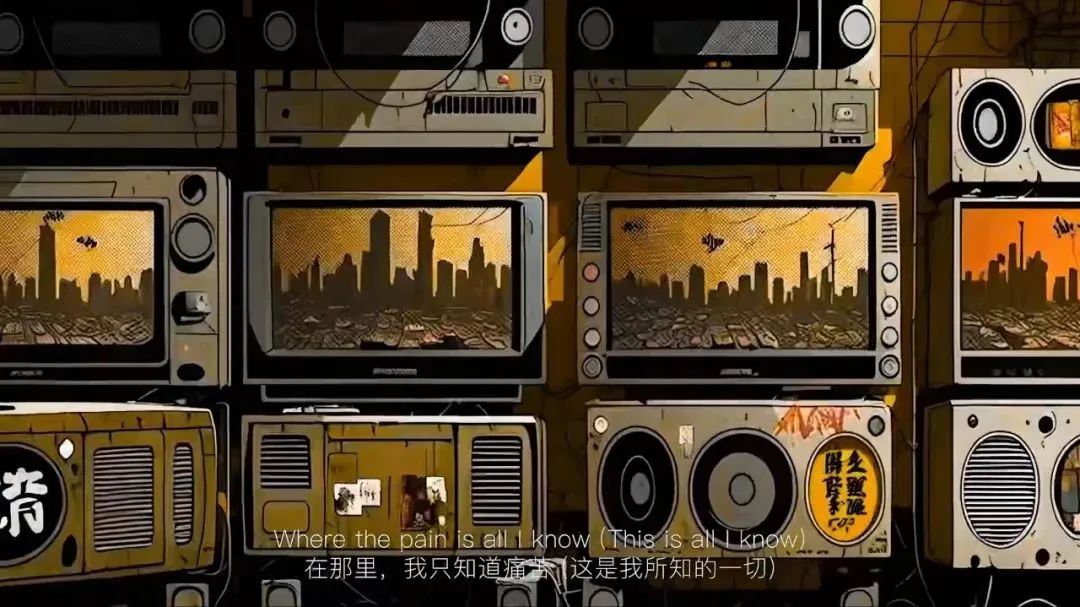
People tend to think highly creative work such as art is difficult for machines to replace. In AI: Its Nature and Future, philosopher Margaret G. Boden argues that AI is better suited to work people regard as creative than to technical occupations involving mechanical learning. Among combinational, transformational and exploratory creativity, AI is particularly suited to exploratory and transformational work. People mistake AI for a “stitching monster”, a “collage monster” or a “plagiarism monster” because today’s AI is still at an early stage of imitation. Even so, Linkin Park’s latest AI-animated music video has considerable individuality.
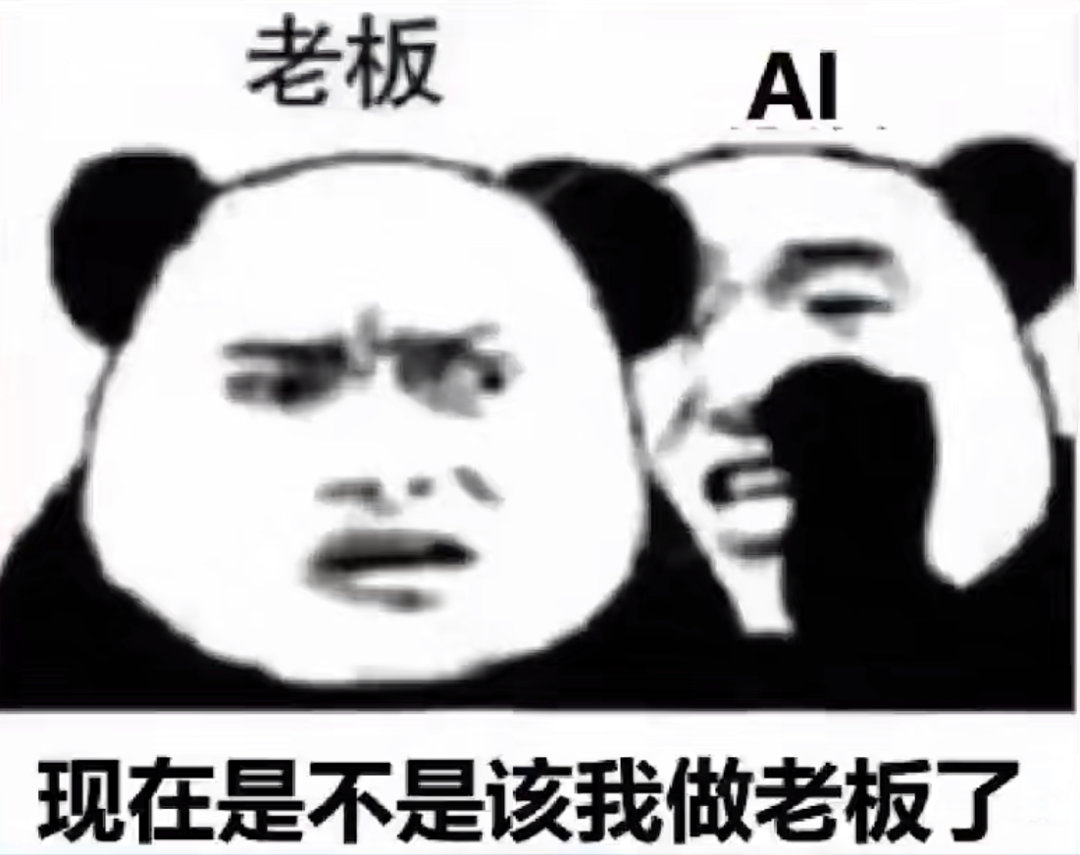
With present algorithms, not only CG artists but also self-proclaimed elite academic and conceptual artists could be replaced. More awkwardly, because conceptual artists in academies contribute relatively little productivity or economic benefit to society, scientists are unlikely to spend time developing programmes to replace them.
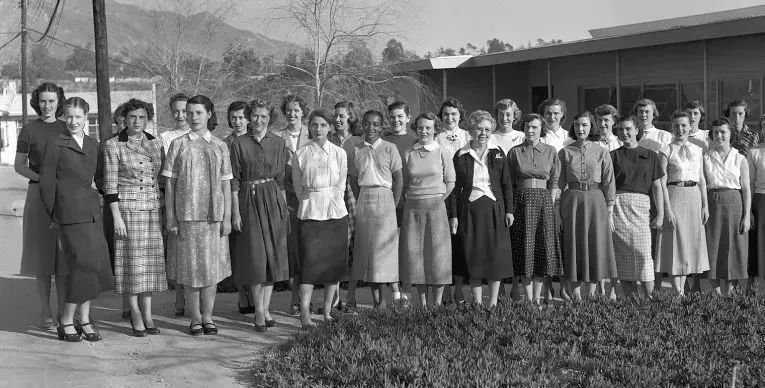
When people say that images made by AI or computers lack a soul, I hope they remember that the earliest “computers” were mathematically trained workers who assisted with calculations. Like Ada, most were girls. Before modern computers were invented, they did extensive calculations for codebreaking and rocket trajectories. American writer Nathalia Holt tells these female computers’ stories in Rise of the Rocket Girls, whose Chinese title describes the first generation of programmers looking towards the stars.
The view that AI painting is lifeless overlooks that tools are fundamentally extensions of human organs, not intelligent living beings. They are essentially advanced pencils, not new artists competing with existing ones. Here, artists and the public are liable to make the same mistake as workers in the Luddite movement.
Burning spinning machines: early workers’ movements
Even before the Luddite movement, workers in European countries repeatedly destroyed machines. Britain’s Swing Riots opposed threshing machines and steam engines; French workers threw wooden shoes into looms; and German workers mounted such large protests against ribbon looms that the government ordered the machines burnt.
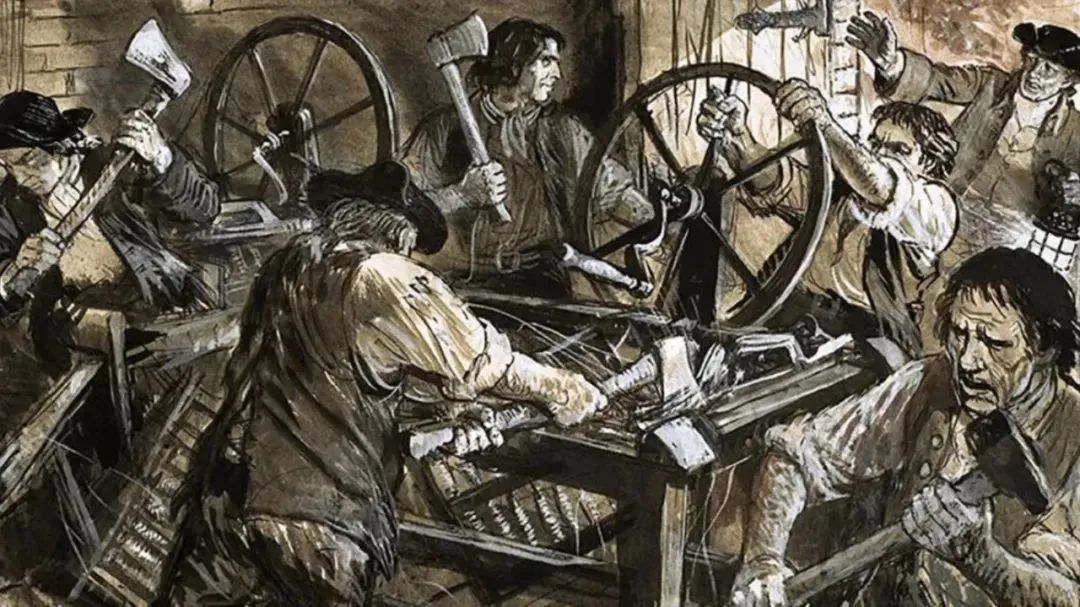
The Luddite movement
In 1811, factory owners in Nottinghamshire, England, produced inferior stockings, deliberately lowering prices and workers’ wages. The workers’ movement gradually developed into the Luddite movement. Led by the young worker Ned Ludd, whom his followers called “Luddite the King”, they destroyed stocking frames. In 1812, Parliament passed a peace-preservation law ordering the military and police to suppress the movement. In 1813, it enacted a machine-breaking punishment law allowing active participants to be sentenced to death.
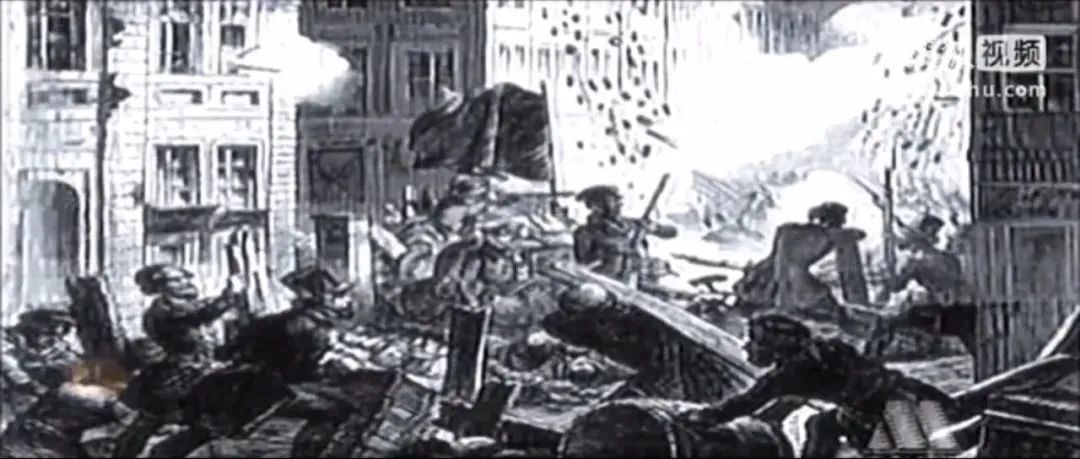
Although the workers’ plight deserves sympathy, they undeniably misattributed their poverty and poor living conditions to automation and machines. Early workers lacked a scientific theory to guide their movement. In Capital, Marx described British workers’ movements and their miserable circumstances in detail. Despite his complete sympathy for the working class, he sharply pointed out that workers had not understood the real cause of their hardship: they had to learn to distinguish machinery from its capitalist application, and thus to redirect their attacks from the material instruments of production to their social form of use.
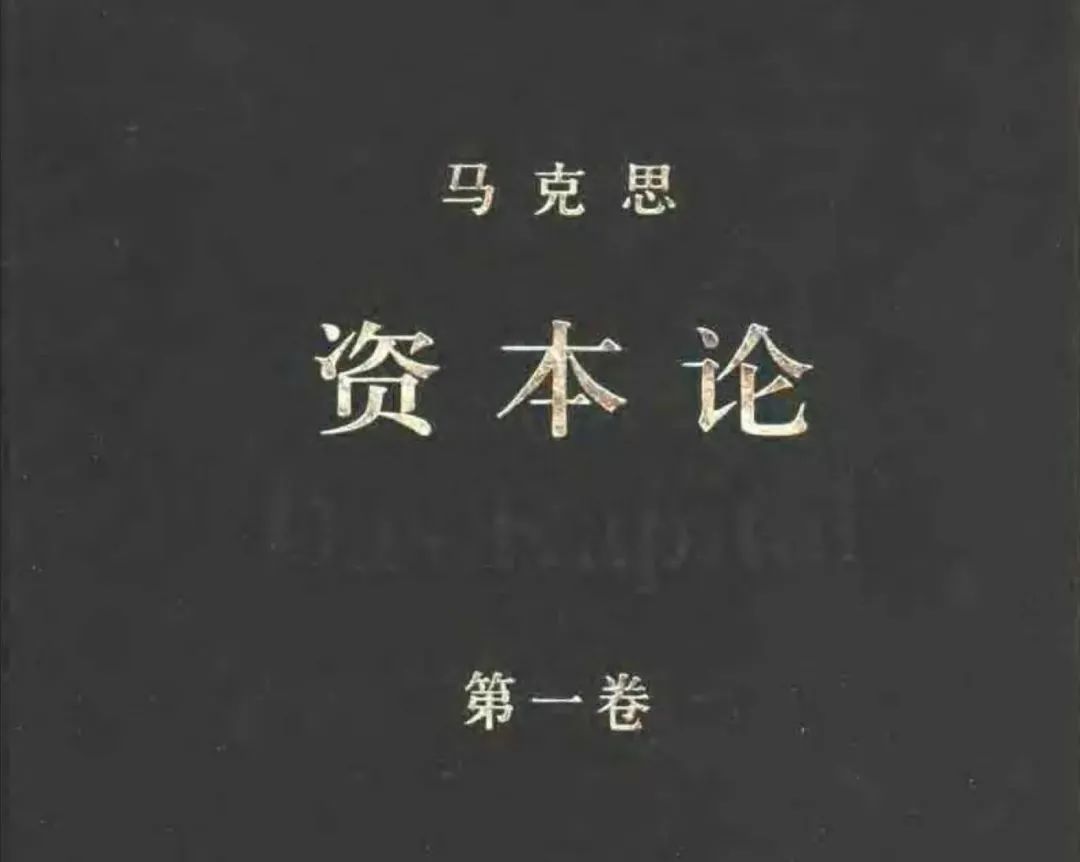
Many scholars think Marx regarded humans and machines as opposed. In fact, he both recognised that machines increased productivity and argued that, under capitalism, machine labour competed directly with workers’ labour. “One fact is beyond doubt: machinery itself is not responsible for setting workers ‘free’ from the means of subsistence.”
The ArtStation movement is not neo-Luddism
Although contemporary art has moved beyond the confines of manual craft, CG artists remain, to some extent, artisans. The ArtStation movement is already more organised than early workers’ movements. Although I do not think all its demands will be realised, I still wish the artists well.
The cause of artists’ miserable circumstances is not AI technology but a labour market pursuing profit. When AI can meet demand more economically and efficiently, the market will choose it over human labour. It is people using AI to harm artists who violate their rights, not AI itself. Some media in China currently spread false claims: that AI painting is a stitching monster, that AI painting cannot obtain copyright, or that anti-AI campaigns can stop model training. Such claims are easily recognised as false with a little discernment, yet they still attract many followers online.
Recently, NetEase’s LOFTER platform introduced an AI drawing tool. A collective boycott by creators prompted its hasty withdrawal in less than a day. Community enthusiasts combined models with Chinese and Western styles in the anime-style model of China’s Unbounded AI, unexpectedly producing effects resembling a famous illustrator. Yet both models had been trained on work by old and modern masters, without that illustrator’s material. When an artist and AI learn from similar art history and cultural material, their styles can also resemble one another.
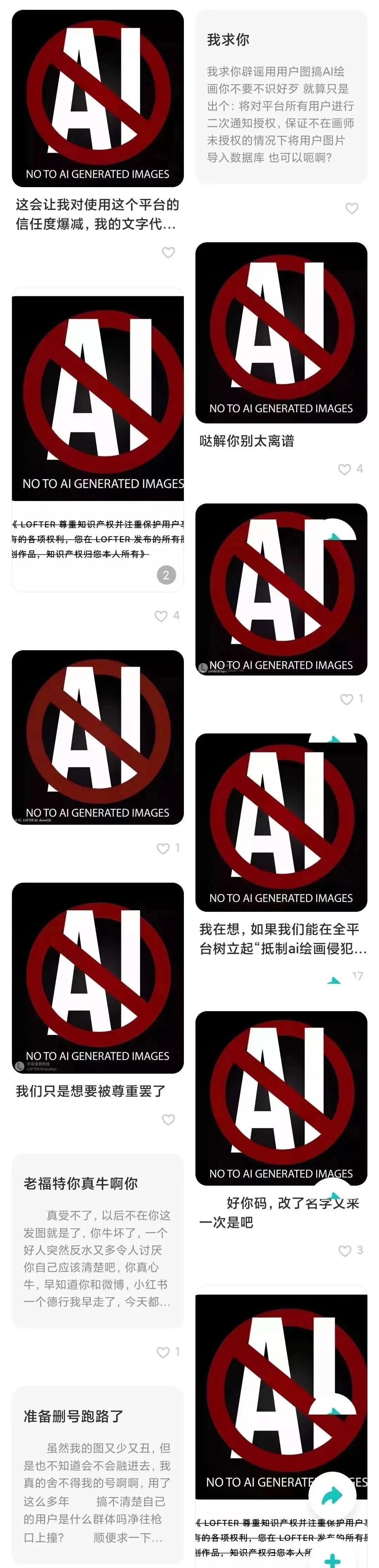
I do not consider the ArtStation movement neo-Luddism. Neo-Luddites oppose various modern technologies, regard technology as political and believe it pollutes nature. ArtStation’s artists are instead startled birds frightened by technological upheaval. Their resistance will not have the harmful consequences of Luddites destroying machines and persecuting factory owners, or of the Boxer movement destroying railways and machines and killing foreign missionaries.
I hope people will be more tolerant and understanding. These artists are not conservatives opposed to new technology. They are temporarily at a loss in the face of its arrival, or distressed by harassment from people using it, and have not yet recovered from that sense of loss. At the end of the video, I would like to conclude this discussion of ArtStation with a fable from Byron Reese’s 人工智能哲学, and play another disco track — in a retro-disco or post-disco style.
The story of John Henry
In a nineteenth-century folktale, John Henry is described as a “steel driver” whose work was to hammer steel spikes into rock. In its historical context, this meant making holes for explosives to clear obstacles for new railway tracks. John Henry was the best steel driver of his day until a steam drill was invented to do the same job.
John Henry did not believe a machine would replace him. He told his foreman: “Well, a man must act like a man. Before that steam drill beats me, I will not give in. Even if I die, I will die with a steel hammer in my hand.” He challenged the drill to see who was better. The contest was evenly matched, and John Henry eventually won. But the effort was so great that, as soon as it ended, he collapsed and died of exhaustion, hammer still in hand. People everywhere lamented: “John Henry died like a man.”


Cross-reading across years: separate archive records
These links provide records from different moments without rewriting the 2023 commentary.
Citation
Chen Haohao / 陈浩浩. “Disco and AI: Is the Movement Against AI a New Luddism?.” 2023-03-14. ANTI-AI ARCHIVE, historical commentary edition, 2026-09-25. https://salondesrefuses.cn/en/documents/disco-ai-2023.
Revision record: 25 September 2026 — first illustrated archive edition and AI-assisted English translation; separate editorial note and cross-year links added. Original judgements retained.
Edition, translation & source note
The illustrated reading edition follows the version published by Wujie on 22 March 2023 at 09:34:45, preserving the article’s paragraph order, 32 image placements and original captions; this republication date is not treated as the first publication date. The author separately supplied a first-publication date of 14 March 2023 at 09:30 (timezone unspecified), credit and a plain-text version, retained as a separate download. Minor wording and punctuation differ between the separately preserved versions. At the author’s request, the republication platform’s reader-contribution preface and WeChat viewing instructions are omitted; the article’s arguments are unchanged. The WeChat page could not be independently read. English is an AI-assisted full archive translation, not an official English edition from 2023, and has not received independent human review; quotations are also translated. Original-language lettering within images is retained. Illustration rights remain with their respective rights holders. The author supplied the opening and closing music videos separately. Web copies preserve their complete duration and original audio tracks; playback is on demand.
The author identifies the Bilibili link as the video version. No publication date is inferred from sharing parameters; the video has not been independently viewed or verified.